Power Weeder Buying Guide: Choosing the Best Tiller for Jharkhand Fields
Introduction: The Rise of Farm Mechanization in Garhwa
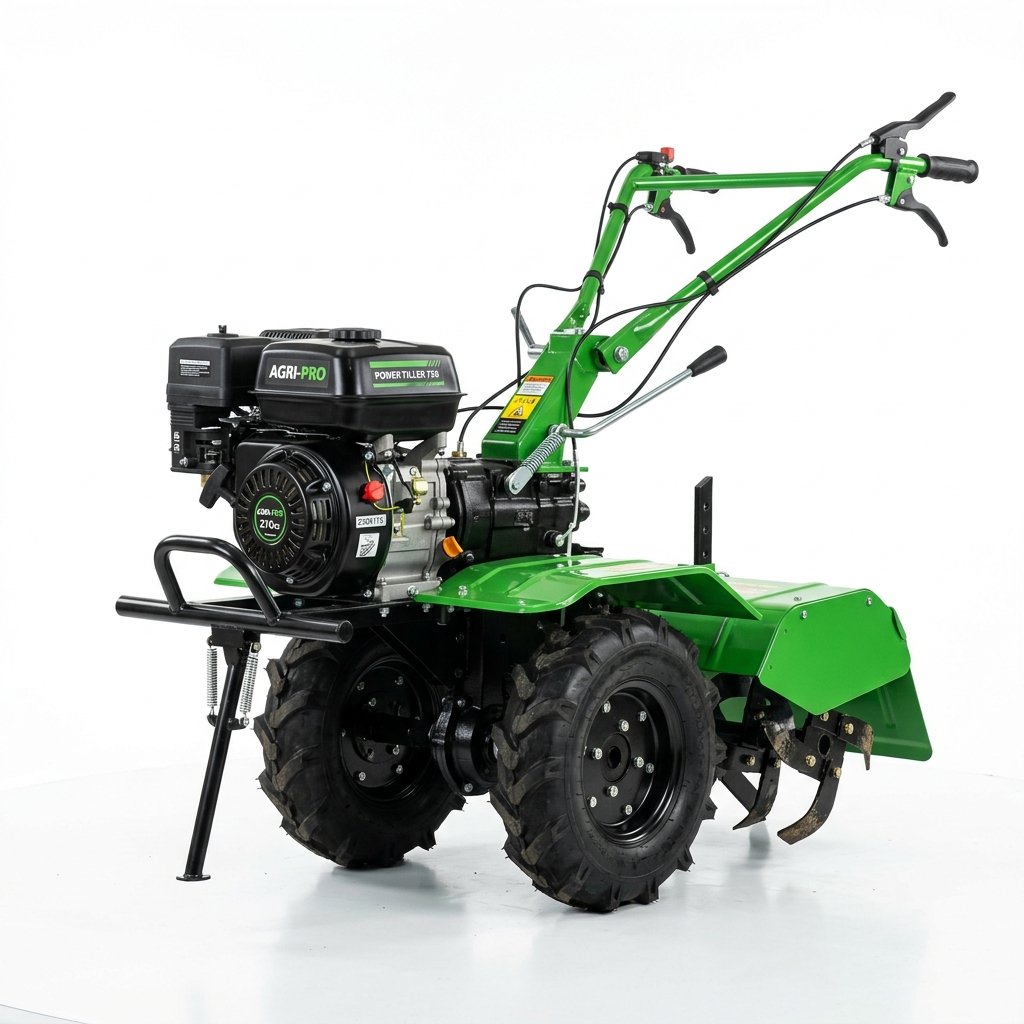
With traditional bullock-cart farming becoming increasingly expensive and hard to manage, smallholder farmers in Jharkhand are quickly moving toward compact farm mechanization. A power weeder (also known as a rotary tiller) has emerged as the most critical machine for de-weeding and soil conditioning.
However, entering an agricultural machinery store can feel overwhelming with petrol models, diesel options, and varying engine horsepowers. In this guide, we break down what you must check before purchasing a power weeder for your farm.
1. Engine Fuel Type: Petrol vs. Diesel
Petrol Weeders (7HP): These are usually 4-stroke air-cooled engines. They are highly lightweight (around 70-85 kg), extremely easy to start via recoil starter, and have low vibrations. They are perfect for vegetable farming, cotton fields, and orchards where maneuverability in narrow rows is key.
Diesel Weeders (9HP - 12HP): These are heavier engines with massive torque. They are ideal for heavy clay soils (black soil), deep tilling in sugarcane fields, and wet paddy fields. While they cost more upfront, their fuel consumption is lower, and they can pull heavy attachments like ridgers and single-plows over larger acreages.
2. Transmission and Gearbox Quality
Avoid direct belt-driven weeders without secondary reduction gearboxes if you plan to till hard soils. A heavy-duty iron gearbox with 2 forward gears and 1 reverse gear gives you the flexibility to slow down in tough soils and speed up in lighter, pre-tilled soil. The reverse gear is vital for maneuvering out of tight corners without physical lifting.
3. Tilling Width and Adjustable Blades
Most weeders come with standard rotary blades (normally 24 to 32 blades). Ensure that the blade width is adjustable. For example, a machine that allows you to change the tilling width from 2.5 feet to 3.5 feet lets you use the same weeder for wide-row sugarcane and narrow-row tomato or chili farming.
Summary Checklist for Buying
Always buy from authorized dealers who can supply genuine spare parts and offer on-site service. Brands like Honda and Kirloskar have dedicated service networks. Ensure the dealer provides training on oil changes and maintenance schedules. At Bharat Motor & Pump House, we ensure that every customer receives a full operational demo and ongoing spare parts support.
Article FAQs
Confused About Selecting Farm Equipment?
Speak directly to Sanjay or Rajesh at Bharat Motor & Pump House for personalized specifications check and rates.
Recommended Reading
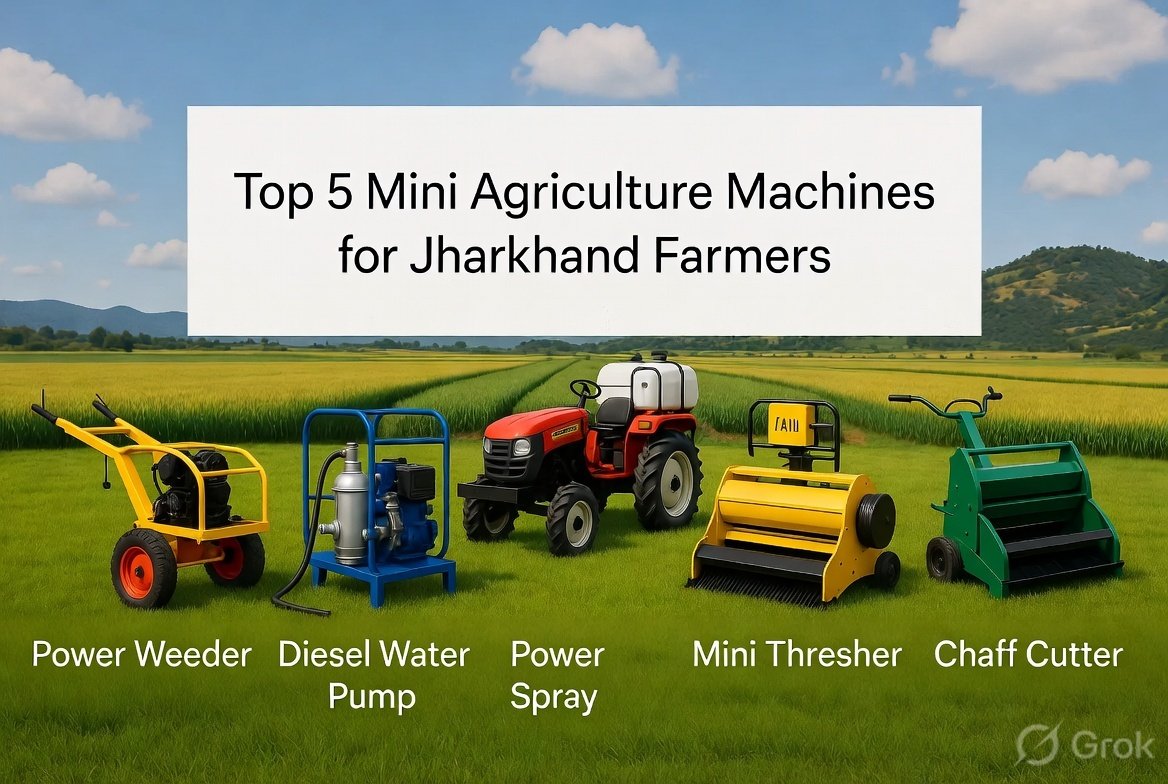
Top 5 Mini Agriculture Machines Every Small Farmer in Jharkhand Should Own
Discover the 5 most useful mini farm machines that can reduce labor, increase productivity, and boost income for small and marginal farmers in Jharkhand.
Read Guide
Diesel Water Pump Buying Guide: Best Irrigation Pumps for Jharkhand Farms
Learn how to choose the right horsepower, head capacity, and pump type for reliable irrigation in Jharkhand’s diverse soil and climate conditions to boost crop yield and reduce water wastage.
Read Guide